Home insulation in Beaumont CA - rooms that stay comfortable upstairs and down
Hot upstairs, drafty rooms or a power bill that keeps climbing? We seal the gaps first, then insulate so your heating and cooling stay inside.
How do I insulate my whole house the right way?
Home insulation in Beaumont means adding insulation to your attic, floors and crawl space and sealing the air leaks around the house, so it costs less to heat and cool and each room stays closer to the temperature you set.
Most calls start with one problem spot, like the room over the garage that's hot by afternoon, a drafty hallway or cold floors, but the fix usually reaches across the whole house. The price turns on how many areas need work, how many inches are already up there and what shape they're in, how easy the attic is to get into and whether any ceilings slope. The schedule mostly depends on how many areas we're doing and whether the job needs a permit. When I come out, I measure, look at the attic, walls or crawl space, and put what I found and the plan in writing, so you see your own figure before anything starts.
How we handle home insulation from start to finish
I start by walking the whole house and noting what's already there, how deep it is, what condition it's in and where the wiring, vents, can lights and old repairs sit, because I'd rather find them now than after new material covers them. Our crew does the air sealing first, closing the gaps around pipes, wires, lights and the attic hatch, since insulation laid over a draft leaves you paying for material that can't do its job. Then we fill each area the way it suits, using blown-in insulation, loose fill blown through a hose, across open attic floors and batts wherever a ceiling slopes too steeply for loose fill to stay put. We run the coverage full depth out to the edges, where it's often thinnest, and I check the work before we wrap up and write down what we did.
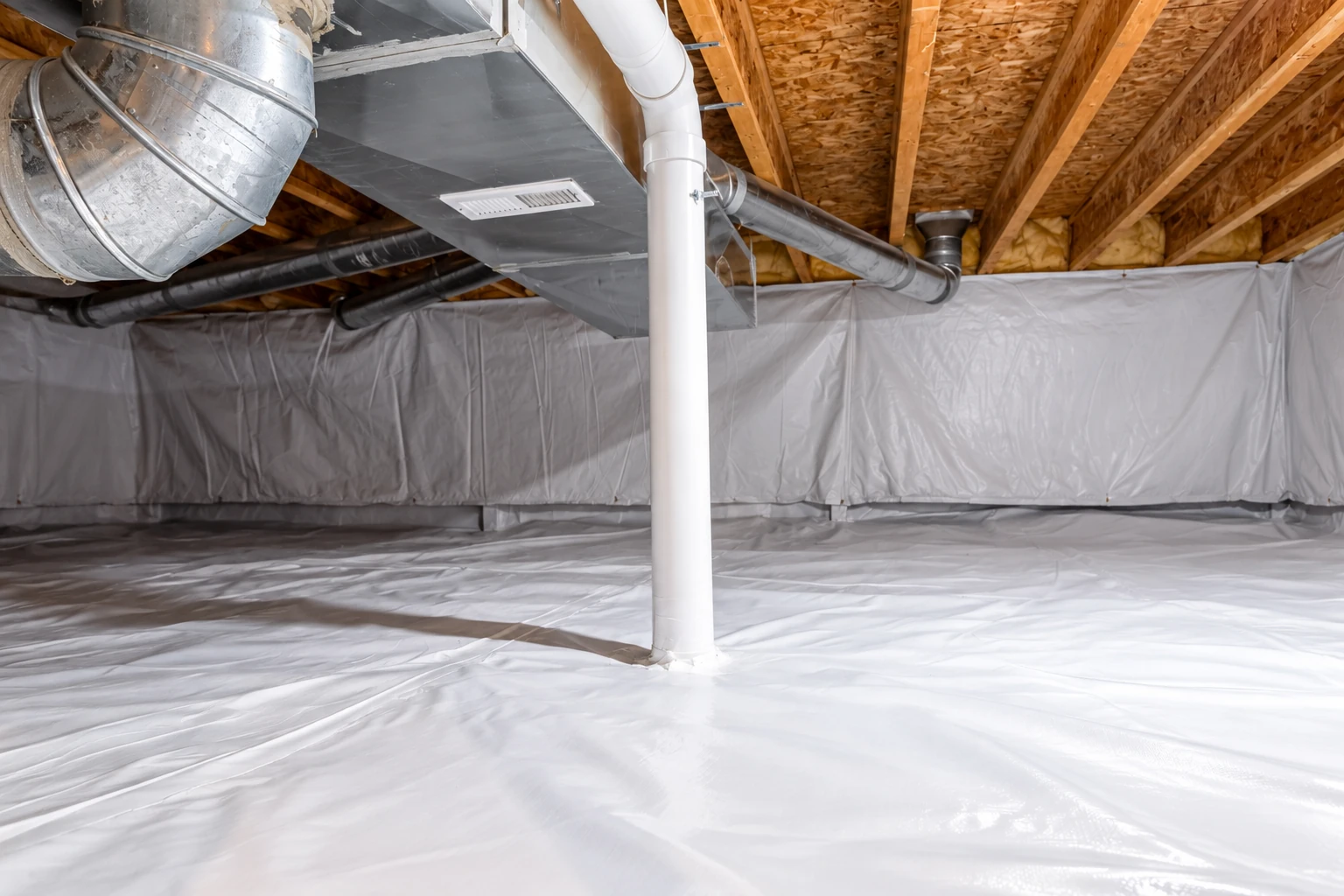
Some homes need more than a top-up. If what I find in the attic has to come out before anything new goes in, that's our insulation removal work. Cold floors usually trace back to the space under the house, and crawl space insulation takes care of that side of the job.
Blown-in fill for open attic floors
This suits an attic with an open, fairly flat floor, because the fill settles in around joists, wires and boxes and leaves no seams. It's how we top up the main attic on most of the homes we see.
Batts for sloped and vaulted ceilings
Batts, the precut blankets sold in rolls, suit vaulted rooms and sloped ceiling sections where loose fill would slide downhill and leave the top bare. Plenty of houses have both, so one job often uses blown fill and batts side by side.
Spray foam when the ducts are up there
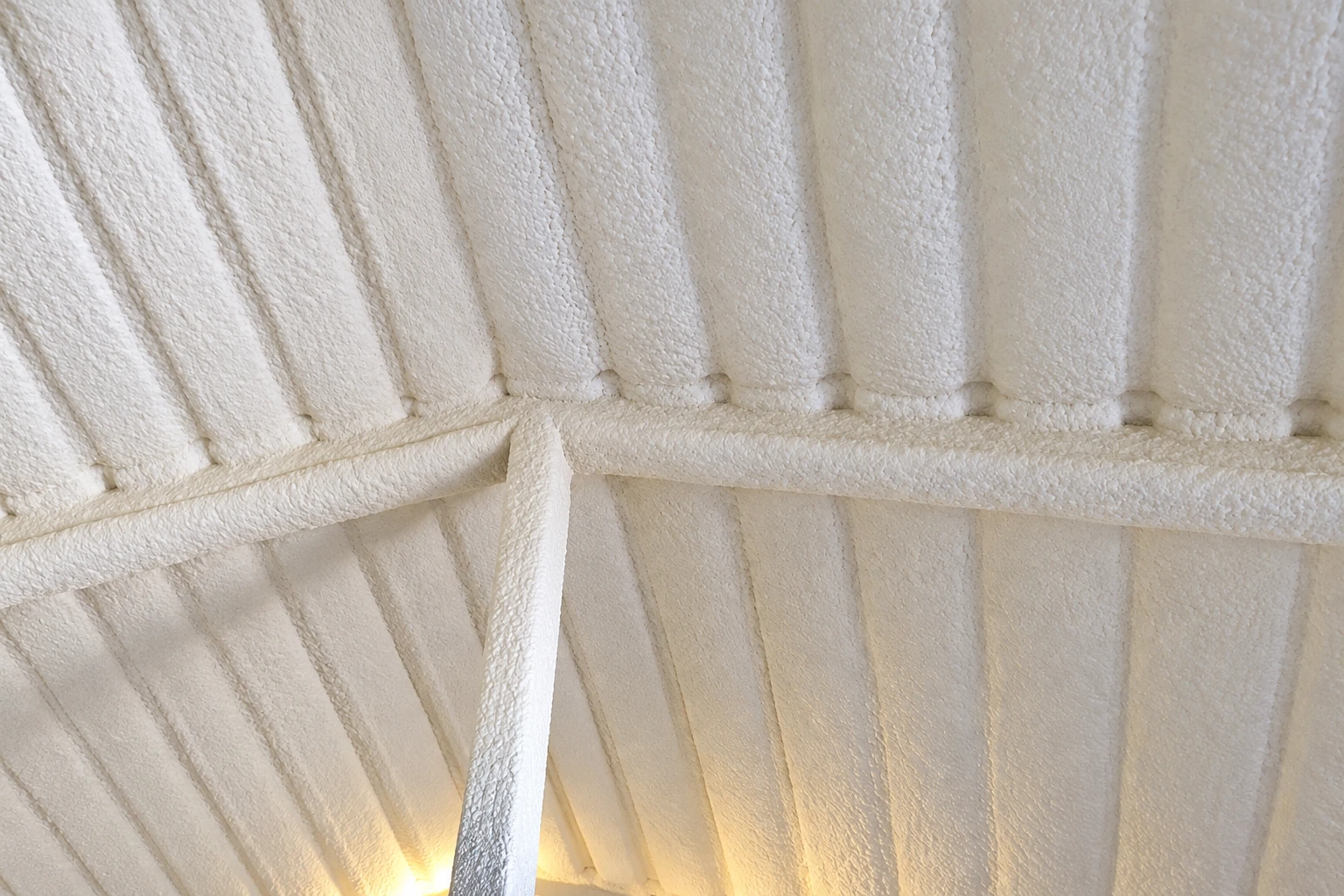
Spray foam costs more, but it seals air while it insulates, which matters when your ductwork runs through the attic. If the ducts live somewhere else, sealing the gaps and topping up loose fill usually gets you more for your money.
What home insulation in Beaumont has to meet
Beaumont's Building & Safety office takes permit filings and plan submittals by email only, and its customer service window is open if you have questions about your own job. Whether a job needs a permit depends on the work. When it does, we prepare the permit, file it with the city and keep you posted, and if it isn't clear, I check with that office before we start. The state Energy Code also sets efficiency rules for changes to existing homes, not just new ones, and what it asks of the walls, roof and ceilings depends on the climate zone the house sits in, so I look that up for your address when I draw up the plan.
Most homes we work in around here are lived in, with ducts, wiring and can lights already in the attic, a room over the garage and often a vaulted ceiling or two, so the first visit is about finding what's there. We're based in Beaumont and see the same mix on jobs in Cherry Valley and Calimesa, along with many other cities across Riverside and San Bernardino counties.
Insulation work up close
Why call us for home insulation
I write every estimate myself
I come out to look at every job and write the estimate myself, and our installers do the work. I check it before we wrap up, so the person who planned the job is the one who signs off on it.
A written record of what we found
You get what I found and the plan in writing before we start, and I explain what we did when we finish. If you sell the house or need more work later, you'll know what's in the attic without climbing up there.
Licensed and fully insured
We're licensed and fully insured, and you're welcome to ask about it before our crew sets foot in the attic. That matters when people are working around your wiring and ceiling lights.
Lived-in homes since 2020
I learned this trade insulating new houses going up around Beaumont, then started this business in 2020 to work on homes people already live in. In those homes the real job is finding the old repairs, vents and lights first, so nothing gets buried.
Call (951) 524-1237 or send us a message, and I'll set a time to come look at the house.
(951) 524-1237Get a written insulation plan for your whole house
We reply within 1 business day, and quotes are free and done on site with no pressure to book. I come out, measure, look at the attic, walls or crawl space, and give you what I found and the plan in writing.
Home insulation questions from Beaumont
Is blown-in or batt insulation better for my attic?
On an open attic floor, blown-in loose fill is usually less expensive than batts and gives better coverage. Sloped ceilings are different, because one maker's guide says most manufacturers advise against loose fill on anything steeper than a 4/12 pitch, about four inches of rise per foot. Homes with vaulted or steep sections often need both methods in one job.
Should air leaks be sealed before insulating a house?
Yes, the gaps should be sealed first. Money spent on insulation can be wasted unless the holes and gaps in ceilings, walls and the foundation are closed before it goes in. Plan the sealing as the first step of the job, not as an extra, and that's the order our crew works in.
Who is licensed to install insulation in California?
The state licensing board has a license class for this, the C-2 Insulation and Acoustical Contractor license. It covers contractors who install any insulating material for temperature or sound control, so it's the class to ask about when you compare contractors.
What does attic insulation cost around Riverside?
Attic insulation in the Riverside area usually costs about $1,500 to $5,000 per job. Where your attic lands depends on its size, how much is already up there, how much sealing it needs and whether sloped sections need batts. I give you your own figure in writing after I've been up there.
How do I know if my can lights are safe to insulate over?
Check whether your recessed lights are IC rated, which means rated for contact with insulation. One maker's instructions call for shields around lights without that rating, so the insulation stays back from them. I note every can light on the first visit, so you know which ones need attention.
What causes moisture in an attic after new insulation?
Usually the eave vents got buried, so the attic stopped breathing and moisture shows up in the framing. One maker's instructions have the installer check that eave or soffit vents are clear and that the vent chutes there rise above the new insulation level before any fill is blown in.
Get your home insulation plan in writing
Jot down which rooms have sloped ceilings or can lights before you call (951) 524-1237, so we cover them on the first visit.