Retrofit insulation in Beaumont CA - sealed first, then insulated evenly
Hot upstairs rooms or a drafty room over the garage? We check what's already up there, seal the gaps, then add insulation evenly.
How do I add insulation to an older house?
Retrofit insulation in Beaumont means adding insulation to the house you already live in. It's spread over the attic floor or blown into the closed walls after the air leaks underneath are sealed, so hot rooms and drafts ease and your heating and cooling stop working against the house.
Most calls I get start with a room you can't keep comfortable, usually the upstairs or the room over the garage, or with old insulation that's settled to a few inches and seen better days. The price turns on where the insulation goes, whether that's the attic, the walls or both, how much is up there now, how many gaps and lights need sealing, and whether old material that's soaked or full of droppings has to come out first through insulation removal. The schedule turns on those same things, plus how easy the attic is to get into and whether we need to check with the city before we start. I measure, look in the attic and walls, and put what I found and the plan in writing, so you see your own number before you decide anything.
How we do retrofit insulation, in the order it matters
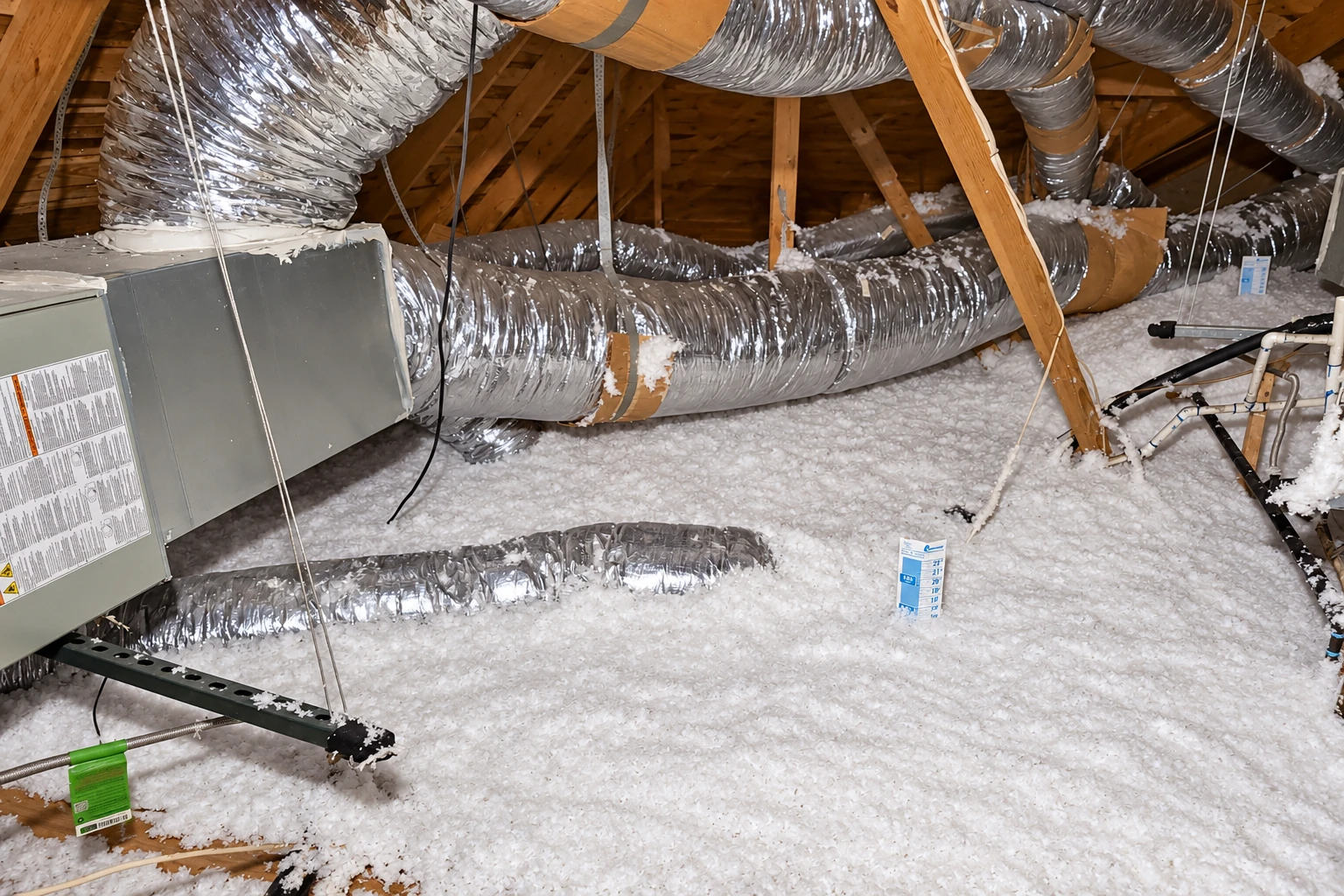
I start by going up and finding out what's already there, how many inches, what shape it's in, and what wiring, vents and old repairs it's hiding, because a lived-in house has things a new build doesn't. If the old material is wet or full of droppings, it comes out, since new insulation laid over it just buries the problem. Then our installers seal the gaps around pipes, wires and the attic hatch so the new layer isn't fighting a draft, and I check every recessed light before insulation goes near it. If I can't tell how a light is rated, we treat it as one that can't be covered. After that the insulation goes down at an even depth all the way out to the edges, where it usually comes up thin, and when we're done you get a written record of what we found and what we did.
Most retrofits come down to a top-up of loose fill over the attic floor, which is the heart of our attic insulation work. Spray foam insulation costs more but seals air while it insulates, so I usually point people to it when the furnace and ducts sit up in the attic. Otherwise, sealing the gaps and topping up with loose fill gets most houses where they need to be for less.
Topping up the attic
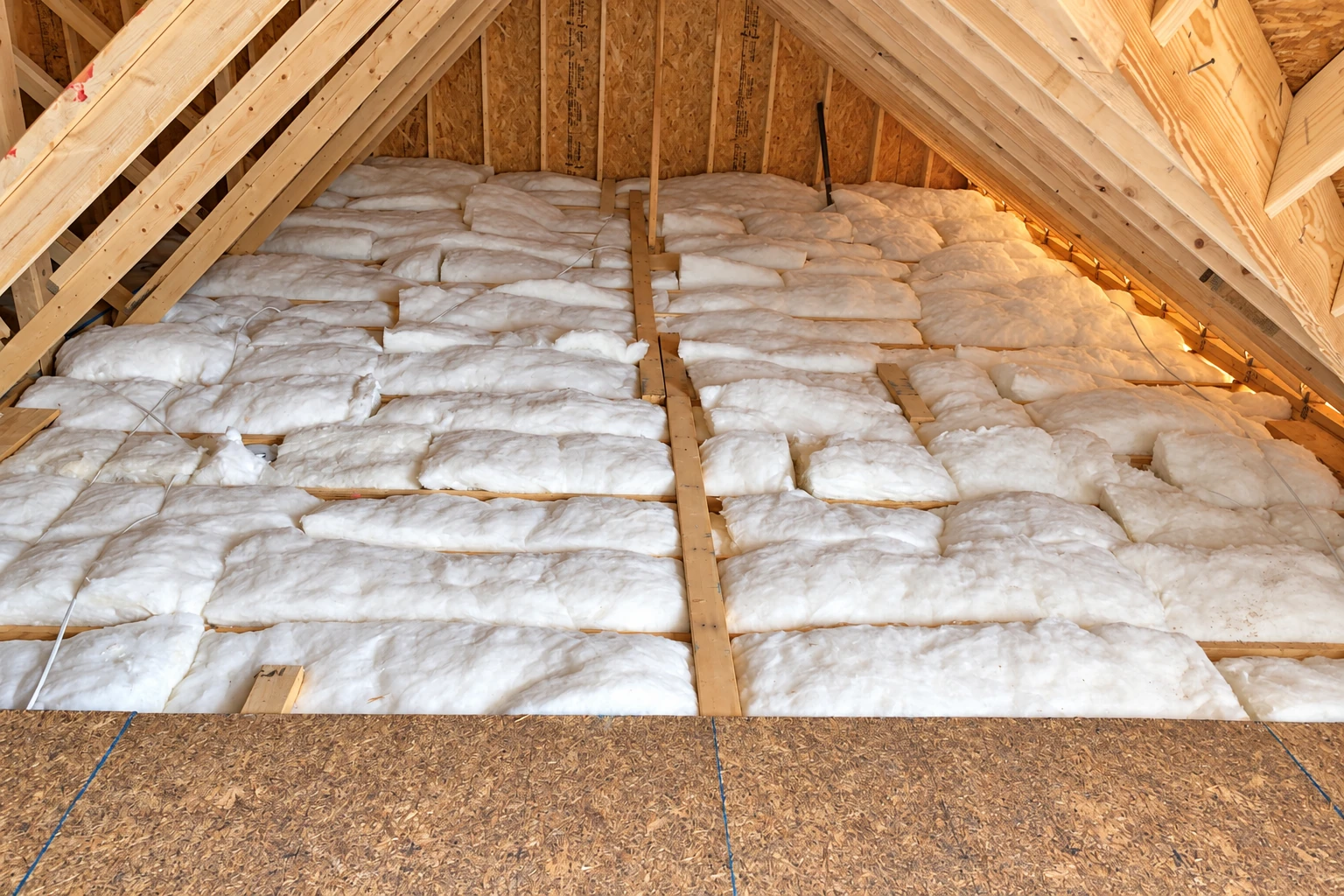
This suits most houses, where there's already some insulation up there but it's settled thin or patchy. We seal first and then blow loose fill, meaning insulation sent through a hose, over what's there, which is the usual first fix for a hot upstairs.
Filling walls you can't reach
This suits rooms that stay cold or drafty even with a good attic, like the room over the garage or a corner bedroom with two outside walls. We blow insulation into the closed walls through small holes and patch them, so nobody has to pull off your drywall.
Retrofit insulation in Beaumont and what the city's rules mean for it
Beaumont builds to the California building and energy codes. For vented attics, the California Energy Commission says the state's attic insulation and air sealing rules apply when the ceiling over your living space is altered, and adding new attic insulation or replacing the old may count as altering it. That means whether your job needs a permit isn't settled up front, so we check with the city's Building and Safety office before we start. The city takes permits and plans only by email, and its customer service window at City Hall answers questions, so if your job needs a permit, we prepare it, file it and keep you posted.
Around here we mostly see two kinds of attics, older ones with a few inches of settled fill and newer ones where the furnace and ducts sit right on the attic floor, and the second kind is where the foam or loose fill choice really matters. We're based in Beaumont and do the same work across Riverside and San Bernardino counties, on jobs in Cherry Valley and Calimesa as well.
What retrofit insulation looks like
Why call us for retrofit insulation
I write every estimate myself
I come out to every job, look in the attic and walls, and write the estimate myself, and our installers do the work and I check it before we wrap up. That way the person who quoted your job is the same one who signs off on it.
Six years on lived-in homes
I learned this trade insulating new houses going up around here, then started this business in 2020 to work on homes people already live in. That's why we look for the wiring, vents and old repairs first, before new insulation covers them.
Licensed and fully insured
We're licensed and fully insured, and I'm glad to show you both when I come out for the estimate. On a retrofit, our installers spend their time in your attic and around your wiring, so it's worth knowing who's covered before they start.
Call (951) 524-1237 or send us your details, and I'll set a time to come out and look at your attic.
(951) 524-1237Get a written plan for your attic and walls
We reply to every message within one business day to set a time for me to come out. I measure, look at the attic and walls, and give you what I found and the plan in writing. The estimate is free and on site, with no pressure to book.
Retrofit insulation questions from Beaumont homeowners
How much does it cost to add attic insulation in the Beaumont area?
Attic insulation in the Riverside area usually costs about $1,500 to $5,000 per job, and that's the going range in the market, not our quote. Where your job lands depends on the size of the attic, whether old insulation has to come out, and how much sealing it needs first. Your written estimate gives you your own number.
Should I seal air leaks before adding insulation to my attic?
Yes, and the usual guidance for a vented attic is to seal every opening through the attic floor before any insulation goes down. Sealing between the attic and your rooms saves energy, lowers fuel bills and helps prevent moisture problems up there. That's why we treat sealing as part of the same job and not as an extra.
How do I insulate existing walls without tearing out the drywall?
The common way is drill and fill, where small holes go in near the top of each wall cavity and insulation is blown in through them. The holes can be drilled from inside or outside, so you can pick the side you'd rather we work from. Cellulose or fiberglass packed in tightly fills the cavity completely, resists settling and slows air moving through the wall.
Is it safe to blow insulation over recessed ceiling lights?
Only over lights rated for insulation contact. Lights that aren't rated give off enough heat to be a serious fire hazard when they're surrounded by flammable material. The Energy Commission says to treat a light as unrated when its rating is unclear, which is how I handle every light in your ceiling.
What should I know before insulating walls in a house built before 1980?
If your home was built before 1980, you should know about the lead safety rules that come into play when wall work disturbs the inside or outside surfaces. Drilling holes to blow in wall insulation can disturb those surfaces, so your home's age is worth knowing before we set the plan for the walls.
What is the best way to keep attic vents open when adding insulation?
Baffles at the eaves are the usual answer. They hold a channel open so air keeps moving through the eave vents, and they keep the new insulation from spilling down into the eaves and burying them. It's a fair question to ask any contractor, and the answer belongs on the estimate.
Book a retrofit insulation estimate for your Beaumont home
Have the year your house was built and a count of your recessed lights ready, so I know what to check first.